Airline Baggage Fee Tricks Frequent Travelers Use
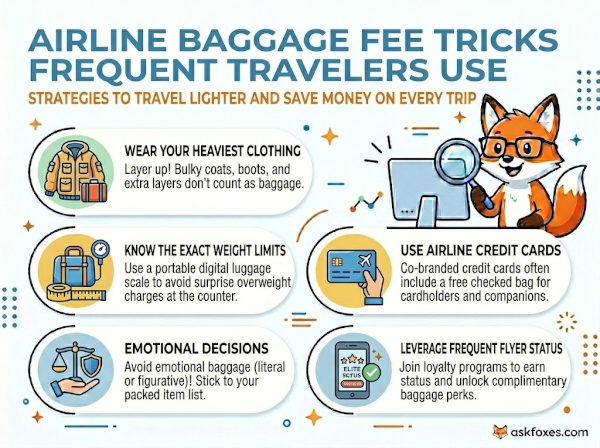
Modern airlines have mastered the art of charging passengers for things that used to be free.
A cheap flight ticket may initially look like an incredible deal — until the baggage fees begin appearing during checkout.
Carry-on fees. Checked bag fees. Overweight penalties. Seat selection charges. Priority boarding upsells.
Suddenly, a “budget flight” becomes surprisingly expensive.
But experienced travelers understand something casual passengers usually do not:
Airline baggage systems are full of loopholes, inconsistencies, and psychological pricing tricks.
And once you understand how these systems work, avoiding unnecessary luggage fees becomes much easier.
Why Airlines Push Baggage Fees So Aggressively
Many budget airlines intentionally advertise extremely low base ticket prices to attract customers.
The real profit often comes later through optional add-ons.
Baggage fees are particularly profitable because:
- Passengers underestimate total luggage costs
- Travelers fear being unprepared
- Most people overpack emotionally
- Last-minute airport fees are significantly higher
Airlines know stressed travelers are more likely to pay extra impulsively.
The Biggest Packing Mistake Casual Travelers Make
Most people pack for hypothetical situations instead of realistic needs.
They bring:
- Extra shoes “just in case”
- Too many outfit variations
- Unused electronics
- Full-size toiletries
- Heavy jackets they rarely wear
This emotional packing style often pushes luggage beyond airline weight limits unnecessarily.
| Traveler Type | Average Bags | Typical Airline Fees |
|---|---|---|
| Casual Vacation Traveler | 2 - 3 Bags | $80 - $250+ |
| Smart Carry-On Traveler | 1 Backpack | $0 - $40 |
| Frequent Budget Traveler | Ultra-Light Packing | Usually $0 |
| Business Traveler | Premium Allowances | Often Included |
The “Personal Item” Loophole Many Travelers Exploit
Most airlines aggressively regulate carry-on luggage dimensions.
However, personal item policies are often enforced much less strictly.
This creates one of the most effective travel hacks experienced flyers use.
Instead of relying on traditional carry-on suitcases, many travelers use:
- Compact travel backpacks
- Soft duffel bags
- Expandable under-seat bags
- Compression-packed laptop bags
Soft bags can compress into sizing bins more easily than rigid luggage.
The Jacket Pocket Strategy
Frequent travelers know airlines rarely weigh clothing worn on the body.
This creates a simple workaround during strict baggage checks.
Common Pocket Storage Items
- Power banks
- Chargers
- Small electronics
- Books
- Travel documents
- Heavy accessories
Some travel jackets are specifically designed with oversized internal pockets for this exact reason.
2. Place them inside jacket pockets
3. Pass baggage weight inspection
4. Repack items after boarding
Even removing 2-3 kilograms can prevent expensive overweight penalties.
The Hidden Danger of Budget Airline Pricing
Low-cost airlines often separate nearly every service into paid upgrades.
The advertised ticket price may exclude:
- Carry-on bags
- Seat selection
- Airport check-in
- Priority boarding
- Printed boarding passes
Some travelers accidentally spend more on fees than the original flight itself.
| Extra Charge | Online Cost | Airport Cost |
|---|---|---|
| Carry-On Bag | $20 - $40 | $60 - $100 |
| Checked Bag | $30 - $60 | $80 - $150 |
| Overweight Penalty | Rare Online Option | $50 - $200+ |
| Boarding Pass Printing | Usually Free | $15 - $40 |
Why Frequent Travelers Prefer Dark Clothing
Experienced travelers often wear simple dark outfits while flying.
This is not just for style.
Dark neutral clothing:
- Hides repeated outfit usage
- Reduces packing variety needs
- Matches multiple combinations
- Minimizes visible wrinkles
Capsule wardrobe strategies allow travelers to pack dramatically lighter.
The “Duty-Free Bag” Trick
Some airlines enforce strict luggage limits but allow additional duty-free shopping bags onboard.
Travelers sometimes exploit this by:
- Purchasing inexpensive airport items
- Using duty-free bags for overflow storage
- Moving electronics or accessories into separate shopping bags
Enforcement varies heavily depending on airline and airport.
The Best Flights for Traveling Light
Certain travel situations naturally favor ultra-light packing:
- Weekend city trips
- Warm-weather destinations
- Business travel
- Digital nomad travel
- Multi-city backpacking routes
Heavy winter travel usually creates the greatest baggage challenges because jackets and shoes consume enormous space.
How Smart Travelers Avoid Souvenir Weight Problems
One common mistake happens on the return flight.
Travelers leave with light luggage but return with:
- Souvenirs
- Local products
- Gifts
- Extra clothing
This often creates overweight baggage surprises at the airport.
The Smart Solution
2. Bring foldable backup bags
3. Weigh luggage before returning
4. Wear heavier clothing during check-in
5. Ship large purchases separately if needed
The Psychology Behind Airline Fees
Airlines understand that travelers fear inconvenience more than extra spending.
Most people would rather overpay than risk:
- Embarrassment at the gate
- Repacking luggage publicly
- Throwing items away
- Missing a flight
This emotional pressure makes baggage fees extremely profitable.
The Frequent Traveler’s Final Rule
Most baggage fees are not caused by necessity.
They are caused by poor planning, emotional packing, and misunderstanding airline systems.
Experienced travelers treat luggage like a strategy game:
- Pack lighter
- Exploit policy loopholes
- Reduce unnecessary items
- Understand airline psychology
Because once you master lightweight travel, flying frequently becomes dramatically cheaper, faster, and less stressful.