VPN Flight Booking Myths: What Actually Saves Money?
One of the most common travel “hacks” online is the idea that using a VPN can help you book cheaper flights.
The logic sounds simple: change your virtual location, see different prices, and save money.
But in reality, airline pricing is far more complex than most travelers assume.
While there are a few situations where location affects pricing, VPNs are not a guaranteed money-saving tool.
Understanding how flight pricing actually works is far more valuable than relying on internet myths.
Why People Believe VPNs Lower Flight Prices
The VPN myth comes from occasional cases where users see different prices when switching regions.
This can happen due to:
- Currency differences
- Regional pricing strategies
- Local taxes and fees
- Market-specific promotions
However, these differences are not consistently predictable or reliable.
How Airlines Actually Set Prices
Modern airlines use complex algorithms that adjust prices in real time.
Key factors include:
- Seat availability
- Booking demand trends
- Seasonality and travel dates
- Competitor pricing
- Search and booking behavior signals
This means prices can change even without changing your location.
In many cases, refreshing the page or checking later can produce a different price without any VPN involvement.
Do VPNs Ever Help with Flight Prices?
In limited situations, yes—but not in the way most people think.
Potential scenarios include:
- Regional pricing differences between countries
- Different tax structures based on booking location
- Localized airline promotions
However, these opportunities are inconsistent and often small.
More importantly, airlines are increasingly reducing large regional price gaps.
The Bigger Myth: “Incognito Mode Gets Cheaper Flights”
Another common belief is that browsing in incognito mode lowers flight prices.
This idea is also widely misunderstood.
Airlines generally do not raise prices based on repeated searches in the way many users assume.
What actually happens is:
- Prices fluctuate naturally due to demand
- Cached sessions may show outdated prices
- Different devices or times show different fare updates
Incognito mode does not reset airline pricing engines.
What Actually Saves Money on Flights
Instead of relying on VPN myths, experienced travelers use proven strategies.
| Strategy | Impact on Price | Reliability |
|---|---|---|
| Flexible travel dates | High savings | Very reliable |
| Booking in advance (or last-minute deals) | Moderate to high savings | Context dependent |
| Alternative airports | Moderate savings | Reliable |
| Fare comparison tools | Moderate savings | Very reliable |
| VPN location switching | Low / inconsistent savings | Unreliable |
The biggest savings usually come from flexibility, not technical tricks.
The Real Power of Flexible Dates
Airline pricing is heavily influenced by demand patterns.
Flying one or two days earlier or later can sometimes change prices significantly.
Mid-week flights are often cheaper than weekend departures.
This is one of the most consistent ways to reduce airfare costs.
Why Flight Prices Change So Frequently
Many travelers are surprised when flight prices change within hours.
This happens because airlines constantly optimize revenue.
Price shifts are influenced by:
- Real-time booking demand
- Remaining seat inventory
- Competitor fare adjustments
- Algorithmic revenue optimization
This system is designed to maximize airline profitability, not remain stable for consumers.
Should You Ever Use a VPN for Booking Flights?
Using a VPN is not harmful, but it should not be your primary strategy.
It may be worth testing only if:
- You are comparing multiple countries
- You already found inconsistent pricing manually
- You are booking international routes with known regional differences
Even then, savings are not guaranteed.
Better Alternatives to Save on Travel Costs
Budget travelers focus on system-based savings rather than one-off tricks.
Effective methods include:
- Using flight comparison engines
- Setting price alerts
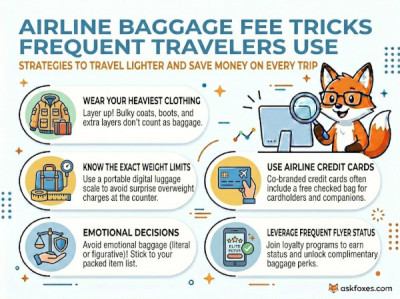
- Flying with carry-on only
- Choosing budget airlines
- Booking connecting flights strategically
These approaches consistently outperform VPN-based strategies.
The Psychology Behind Travel Hacks
Travel hacks are appealing because they promise control over an unpredictable system.
However, airline pricing is optimized at scale, making individual “tricks” less effective than they appear online.
Most real savings come from behavior, not shortcuts.
The Smart Traveler’s Final Rule
VPNs are not useless, but they are often misunderstood.
They do not consistently unlock cheaper fares, and any savings are usually incidental rather than systematic.
If your goal is to fly cheaper, focus on timing, flexibility, and comparison tools instead of technical workarounds.
In budget travel, the biggest savings come from decisions you make before searching—not tools you use during booking.