How to Stack Gift Cards, Cashback, and Coupons for Triple Savings
Most shoppers focus on finding a single discount—like a coupon code or a cashback offer—and assume that is the best possible deal.
However, experienced deal hunters use a different approach: stacking multiple savings methods on a single purchase.
When done correctly, this strategy can significantly reduce the final price you pay without changing what you buy.
This method is often called “discount stacking,” and it works by combining gift cards, cashback platforms, and promotional coupons in a structured way.
Why Most Shoppers Leave Money on the Table
Retail systems are designed with multiple overlapping discount layers, but most consumers only use one at a time.
This leads to missed savings opportunities such as:
- Unused cashback eligibility
- Forgotten coupon codes
- Full-price gift card purchases
- Ignoring seasonal promotions
Individually, these may seem small, but together they can represent significant savings over time.
The Three Core Layers of Savings
The most effective stacking strategy is built on three main components.
| Layer | Purpose | Example |
|---|---|---|
| Gift Cards | Pre-discounted purchase value | Buying a $100 card for $90 |
| Coupons | Instant checkout discount | 10% off promo code |
| Cashback | Post-purchase rebate | 5% cashback via platform |
When combined correctly, these layers can create a “triple discount effect.”
Step 1: Start With Discounted Gift Cards
The first layer of savings often begins before you even shop.
Many platforms and marketplaces sell gift cards below face value.
This means you can effectively reduce your spending before applying any other discount.
For example, purchasing a $100 gift card for $90 instantly locks in a 10% saving.
Step 2: Apply Coupon Codes at Checkout
After securing a discounted gift card, the next step is applying a coupon code.
These are often available through:
- Retailer newsletters
- Browser extensions
- Seasonal promotions
- Affiliate campaigns
Coupons reduce the subtotal before payment is completed.
This creates a second layer of savings on top of already reduced spending.
Step 3: Activate Cashback Platforms
The final layer is cashback, which rewards you after the purchase is completed.
Cashback platforms track your transaction and return a percentage of your spending later.
Common cashback categories include:
- Online shopping portals
- Credit card rewards
- Browser extensions
- Loyalty programs
Unlike coupons, cashback does not reduce the checkout price but reduces your net cost over time.
How Triple Stacking Works in Practice
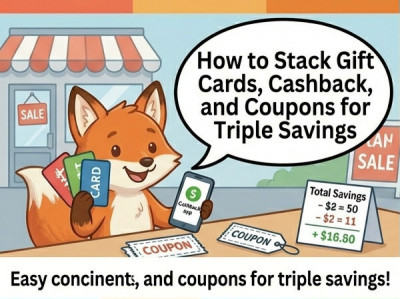
Let’s combine all three layers in a simple example:
- Original price: $100
- Gift card discount (10%): $90 effective spend
- Coupon discount (10%): $81 at checkout
- Cashback (5%): $4.05 returned
Final effective cost: approximately $76.95
This creates a total savings of over 23% without changing the product or store.
| Stacking Stage | Effect on Price |
|---|---|
| Gift Card Discount | Immediate reduction |
| Coupon Application | Further price reduction |
| Cashback Reward | Post-purchase refund |
Where Stacking Fails or Gets Limited
Not all retailers allow full stacking combinations.
Some restrictions include:
- Excluding coupon codes on gift card purchases
- Limiting cashback eligibility on discounted items
- Blocking certain promotional combinations
- Category-specific exclusions (e.g., electronics, luxury items)
Understanding these limits helps avoid unrealistic expectations.
The Role of Timing in Maximum Savings
Timing plays a critical role in stacking effectiveness.
The best opportunities often occur during:
- Black Friday sales
- Seasonal clearance events
- Holiday promotions
- End-of-season inventory cycles
During these periods, all three discount layers are more likely to align.
Why Cashback Is the Most Overlooked Layer
Many shoppers focus only on visible discounts like coupons.
Cashback is often ignored because it is delayed and less visible at checkout.
However, over time, cashback can represent a significant portion of total savings.
It is especially powerful for frequent shoppers.
Simple Stacking Workflow for Beginners
A basic system for maximizing savings looks like this:
2. Check cashback eligibility before shopping
3. Find active coupon codes
4. Apply gift card at checkout
5. Apply coupon code
6. Complete purchase via cashback portal
7. Track cashback rewards
This process becomes faster with repetition.
Common Mistakes That Reduce Savings
Many beginners lose stacking benefits due to simple mistakes.
Common issues include:
- Forgetting to activate cashback before purchase
- Using incompatible coupon codes
- Buying non-stackable gift cards
- Missing time-limited promotions
Awareness is key to maximizing results.
The Psychology Behind Retail Discounts
Retailers intentionally separate discount systems to make savings feel simpler than they are.
Customers often stop after finding one discount, believing they have maximized savings.
However, layered systems exist precisely because not all customers will combine them.
The Smart Shopper’s Final Rule
True savings do not come from a single trick.
They come from combining multiple small advantages into one system.
Gift cards reduce base cost, coupons reduce checkout price, and cashback reduces final net spending.
When used together consistently, these layers create a structured approach to saving money on everyday purchases without changing your lifestyle.