Outlet Stores vs Factory Stores: What’s Actually Worth Buying?
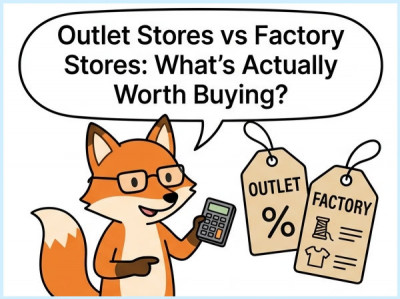
Many shoppers assume outlet stores and factory stores offer the same thing: big discounts on popular brands.
While both can help consumers save money, the reality is often far more complicated.
Some stores sell genuine overstock inventory from traditional retail locations.
Others manufacture products specifically for discount channels using different materials, designs, or production standards.
Understanding the difference can help you avoid overpriced bargains and focus on purchases that truly deliver value.
Why Many Shoppers Confuse the Two
The terms "outlet" and "factory store" are often used interchangeably.
Both typically operate inside outlet malls and advertise major savings compared to regular retail prices.
From the outside, they can appear identical.
However, the source of the merchandise is what matters most.
- True outlet inventory often originates from retail stores
- Factory products may be created specifically for discount channels
- Product quality can vary significantly
- Pricing strategies are often designed to create the appearance of large discounts
The Original Purpose of Outlet Stores
Outlet stores became popular because brands needed a way to sell excess inventory without affecting their premium retail image.
Common outlet inventory included:
- Overstock merchandise
- Returned products
- Discontinued models
- Previous-season collections
- Packaging changes
For many years, shoppers could find exceptional bargains because products were often identical to those sold in traditional stores.
That model has changed considerably in many retail sectors.
How Factory Stores Changed the Game
As outlet shopping became more popular, brands recognized an opportunity.
Instead of relying solely on excess inventory, many began producing merchandise specifically for outlet and factory store channels.
This approach created predictable inventory and higher profit margins.
| Feature | Traditional Outlet Inventory | Factory Store Inventory |
|---|---|---|
| Source | Retail Overstock | Produced for Outlet Sales |
| Materials | Usually Identical | May Differ |
| Designs | Retail Collections | Outlet-Specific |
| Quality Consistency | Generally High | Varies by Brand |
| Discount Potential | Often Genuine | Can Be Marketing-Based |
How Retail Pricing Creates the Illusion of Huge Savings
One reason outlet shopping feels rewarding is the appearance of large markdowns.
Shoppers often see tags showing:
- Original Price: $150
- Outlet Price: $59
However, the "original" price may not always represent a product that was widely sold at full retail.
Some outlet-exclusive products are assigned reference prices primarily to create a discount comparison.
Products That Are Usually Safe Outlet Purchases
Certain categories tend to offer better value regardless of whether inventory comes from a traditional outlet or factory production line.
- Basic clothing essentials
- Athletic apparel
- Kitchen accessories
- Luggage
- Home organization products
- Seasonal merchandise
These items often have fewer quality differences compared to premium flagship products.
Products That Require Extra Attention
Some purchases deserve closer inspection before buying.
- Luxury handbags
- Designer fashion
- Premium leather goods
- High-end furniture
- Technical outdoor equipment
- Performance footwear
Small material changes can dramatically affect durability and long-term value.
How to Identify Outlet-Specific Merchandise
Brands use various methods to distinguish outlet products from retail collections.
Common indicators include:
- Different product codes
- Special outlet labels
- Unique style numbers
- Simplified packaging
- Outlet-exclusive collections
Learning these identifiers can help shoppers determine whether an item originated from a traditional retail line.
When Outlet Shopping Delivers Exceptional Value
Despite criticism, outlet stores can still offer excellent opportunities.
The best deals often appear when:
- Seasonal inventory is being cleared
- Brands discontinue product lines
- Packaging updates occur
- Minor cosmetic imperfections exist
- Retail demand declines unexpectedly
These situations frequently create genuine discounts on quality merchandise.
The Psychology Behind Outlet Shopping
Outlet centers are carefully designed to encourage spending.
Consumers often arrive expecting savings and become less price-sensitive once they believe they are receiving discounts.
This phenomenon can lead to purchases that would never occur in a regular retail environment.
The Outlet Shopping Checklist
Before making a purchase, ask yourself these questions:
2. Can I compare the same product online?
3. Is the quality consistent with the brand's reputation?
4. Do I actually need this item?
5. Would I buy it if there were no discount sign?
These questions help separate genuine bargains from emotional purchases.
Online Retail Has Changed the Outlet Advantage
Many shoppers forget that online competition has dramatically reduced the exclusive value of outlet centers.
Today consumers can compare prices instantly.
Major retailers frequently offer:
- Flash sales
- Coupon codes
- Clearance events
- Loyalty rewards
- Seasonal promotions
Sometimes online prices match or even beat outlet pricing.
When Factory Stores Make Sense
Factory stores are not automatically bad deals.
Many provide solid value for budget-conscious consumers.
If the product quality meets your expectations and the price is competitive, outlet-specific inventory can still be a smart purchase.
The key is understanding what you are buying rather than assuming every item represents premium merchandise at a discount.
The Biggest Mistake Outlet Shoppers Make
The most common mistake is focusing entirely on the percentage discount.
Smart shoppers focus on value instead.
| Shopper Mindset | Typical Result |
|---|---|
| "It's 70% Off!" | Impulse Purchases |
| "Is It Worth This Price?" | Better Long-Term Savings |
| "I Might Need It Later" | Unused Items |
| "I Have a Specific Need" | Intentional Spending |
How Smart Money Shoppers Approach Outlet Malls
The most successful bargain hunters treat outlet shopping as a targeted mission rather than a recreational activity.
- Create a shopping list beforehand
- Research retail prices online
- Inspect product quality carefully
- Compare alternatives immediately
- Ignore artificial urgency
This approach dramatically increases the likelihood of finding genuine value.
The Final Verdict
Outlet stores and factory stores can both help consumers save money, but they are not always selling the same types of products.
The smartest shoppers understand that discounts alone do not determine value.
A genuine bargain combines reasonable pricing, strong quality, and an actual need for the product.
When you focus on those three factors instead of flashy markdown percentages, outlet shopping becomes a powerful money-saving tool rather than a spending trap.