Grocery Store Psychology: How Supermarkets Make You Spend More (And How to Avoid It)
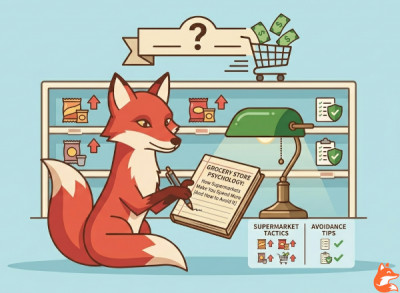
Have you ever walked into a supermarket intending to buy just a gallon of milk and a loaf of bread, only to walk out an hour later with a cart full of gourmet cheeses, seasonal snacks, and a $120 hole in your budget? Don't blame your lack of willpower. Supermarkets are not simple supply depots; they are highly optimized, multi-sensory trap networks engineered by consumer psychologists to separate you from your cash.
Welcome to The Supermarket Floorplan Exploits. From the background music tempo to the physical size of the shopping carts, every single inch of a grocery store is calibrated to bypass your logical brain and trigger impulsive buying decisions. Today, we will pull back the curtain on these retail traps and show you exactly how to navigate the aisles unscathed.
Deconstructing the Sensory Trap Layout (The Matrix Leaked)
Supermarkets are almost always designed using a counter-clockwise traffic flow. Because most human beings are right-handed, walking counter-clockwise forces you to look toward the right, where the store displays its highest-margin, non-essential products. But that is just the baseline framework of the trap.
The Grocery Store Trap Map
To avoid falling for automated sensory cues, you must recognize why items are placed exactly where they are:
- The Sensory Welcome (Produce & Bakery): Fresh flowers, bright fruits, and the scent of baking bread are always placed right at the entrance. This immediately triggers your salivary glands, makes you hungry, and tricks your brain into thinking the entire store is full of fresh, wholesome goods.
- The Hostage Essentials (Milk, Eggs & Meat): The items 90% of shoppers actually need are strategically buried at the absolute back corners of the store. To get a simple carton of eggs, you are forced to walk through 200 feet of junk food and soda displays designed to tempt you along the way.
- The Eye-Level Profit Zone (The Bullseye): The products at direct eye level (roughly 4 to 5 feet off the ground) are the most expensive, brand-name items. Cheap generic options and bulk items are always hidden on the absolute top or bottom shelves where you have to stretch or bend down to see them.
- The Frictionless Exit (The Checkout Impulse Grid): The checkout lane is purposely narrow to limit your physical movement. While you wait in line, you are trapped facing low-cost, high-margin emotional triggers like candy bars, lip balms, and magazines, perfectly positioned to exploit your decision fatigue.
Real-World Effectiveness: Psychological Tricks Compared
Supermarkets deploy multiple layers of subtle behavioral engineering. Understanding the ROI of these tricks helps you realize what you are fighting against every time you walk through the sliding doors.
| Store Manipulation Trick | Psychological Objective | Average Spending Increase |
|---|---|---|
| Oversized Shopping Carts | Triggers the instinct to fill empty space | 35% - 40% higher basket total |
| Slow-Tempo Background Music | Slows your walking pace, increasing time in aisles | 29% more spending compared to fast music |
| Endcap Product Displays | Creates an illusion of a "limited-time sale" | Up to 20% higher sales (even at full price) |
| Eye-Level Product Placement | Exploits visual convenience and brand bias | Maximizes manufacturer slotting fees |
The 3 Tactical Counter-Strategies to Beat the System
You cannot change how corporations design their stores, but you can change how you interact with their environment. Deploy these three tactical rules to keep your grocery bill at its absolute minimum:
1. Execute the "Perimeter-Only" Flight Path
90% of the real, single-ingredient food your body actually needs (produce, fresh meat, seafood, dairy) lives entirely on the outer walls of the store. The inner aisles are the "processed profit valleys" filled with preservatives, branding costs, and layout traps. Commit to walking the perimeter of the store first, and only enter an inner aisle if you have a specific, non-negotiable item written on your list.
2. Neutralize Decision Fatigue with the 30-Minute Clock
Studies show that after roughly 30 to 40 minutes of shopping, your brain's executive functioning runs out of energy from comparing prices and reading labels. Once decision fatigue sets in, your emotional brain takes over, and you start grabbing comfort food impulsively. Set a countdown timer on your phone for 30 minutes before you walk in, and turn it into a high-efficiency extraction mission.
3. Use the Automated "Anti-Impulse" Budgeting Script
Before stepping up to the register, pull your cart over to a quiet corner and audit your items against a strict digital sorting logic. You can mentally run this exact script:
IF item == NOT_ON_WRITTEN_LIST AND item.category == "Emotional_Want" THEN
REMOVE item FROM cart;
RETURN item TO shelf;
END IF;
END FOR;
PRINT final_optimized_total;
This simple 60-second pause breaks the psychological momentum of the store's traps, allowing you to manually filter out the impulse buys that would have inflated your total bill at the checkout counter.