The Price Match Guarantee Guide: How to Force Major Retailers to Lower Their Prices at Checkout
Imagine standing at the checkout counter or looking at your online shopping cart, knowing you are about to pay $50 more for an item than another store is charging. Most people either pay the premium for convenience or leave empty-handed to drive across town. But what if you could force the retail giant right in front of you to match that lower price instantly?
Welcome to The Price Match Guarantee Guide. While corporations pocket billions hoping you won't do your homework, savvy shoppers use official store policies as a legal leverage tool to slash prices at checkout. Today, we will break down the exact algorithm major retailers use and how you can exploit it to lock in the absolute lowest price every single time. By understanding the hidden rules of retail competition, you can turn a rigid corporate policy into your personal discount tool.
How Retailers Count on Your Laziness (And How to Flip the Script)
Retail giants like Best Buy, Target, and Walmart actively monitor each other's pricing using dynamic algorithms. However, they rarely update their in-store price tags in real-time to match online drops. They count on the fact that 95% of consumers will not check competitor prices while standing in the aisle. By doing a quick 30-second digital scan, you turn their corporate policies against them.
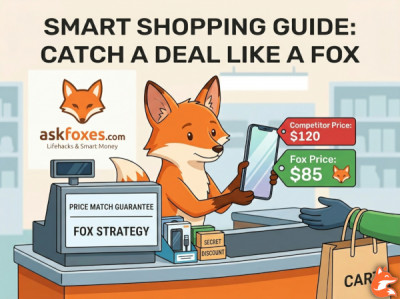
Furthermore, brick-and-mortar stores often have different pricing structures than their own online storefronts. A product listed for $120 on the shelf might be on sale for $85 on the store's website. If you do not ask for a price match against their own digital store, they will gladly let you pay the higher in-store rate. This internal price discrepancy is one of the most common ways consumers overpay without realizing it.
The Step-by-Step Blueprint to Force a Price Match
To successfully get a cashier or online support agent to lower a product's price, you must follow this exact protocol:
- Step 1: Verify the Match is Identical. The item must be an exact match in brand, model number, color, and size. If you are matching a TV, ensure every single digit of the model number aligns perfectly. Even a minor variation in a model suffix can give retailers an excuse to deny your request.
- Step 2: Pull Up Proof from an Approved Competitor. Open the competitor's official website or app on your phone. Do not use screenshots, as cashiers are trained to reject them due to photoshop fraud. It must be a live, interactive URL that the employee can verify.
- Step 3: Check the "In Stock" Status. The competitor’s site must explicitly show the item is currently in stock and available for immediate purchase or shipping to your zip code. If it is sold out, the price match guarantee becomes completely void.
- Step 4: Present It to the Employee Confidently. At physical checkouts, simply tell the cashier, "I'd like to price match this to Target, please." For online orders, open the site's live chat before finalizing payment and provide the competitor link.
Real-World Effectiveness: Retailer Policy Breakdown
Not all price match policies are created equal. Some stores are incredibly lenient and will gladly take your word for it, while others bury their guarantees under mountains of fine print, exclusions, and blacklisted promotional periods like Black Friday or Cyber Monday.
| Retailer | Lenieny Level | Key Policy Quirk to Exploit |
|---|---|---|
| Best Buy | Very High (90%) | Will match Amazon (shipped & sold by Amazon) and local brick-and-mortar stores. Excellent for high-end electronics and appliances. |
| Target | High (80%) | Offers a massive 14-day post-purchase price adjustment window if their own price drops, giving you a safety net on recent buys. |
| Home Depot / Lowe's | Medium (60%) | Will match competitor prices but excludes special promotional bundles, custom orders, and clearance items. Great for raw materials. |
| Walmart | Low (30%) | In-store cashiers will only match Walmart.com prices, not external competitors like Target or Amazon. Must navigate strict manager approvals. |
The Secret "Post-Purchase" Price Adjustment Loophole
What happens if you buy an item, and it goes on sale three days later? You do not need to pack up the item, return it to the store, and buy it again. You can exploit the price adjustment window to get cash back automatically without leaving your couch.
Most major retailers offer a window ranging from 7 to 14 days where they protect your purchase. If the price goes down anywhere within that period, they owe you the difference. It is essentially a retroactive coupon that guarantees you did not buy at the wrong time.
1. The Customer Service Chat Script
If you notice a price drop within 14 days of your purchase from a store like Target or Best Buy, log into your account, open the live support chat, and paste this exact script:
As long as the item is in stock, the automated representative or human agent will process the partial refund to your credit card within minutes. Never hesitate to look polite yet assertive when using this method.
2. Automate the Tracking Process
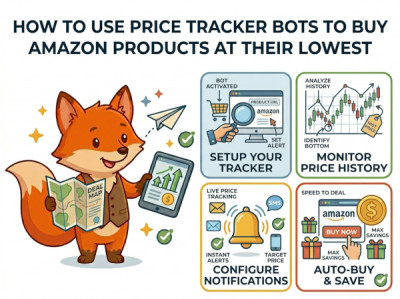
If you don't want to manually track everything you buy, link your digital receipts to price-tracking tools or premium banking apps that offer built-in purchase protection. These digital tools scan your inbox, track the items across major retail databases, and alert you the second a major retailer owes you money. This keeps your savings strategy running entirely on autopilot while you focus on other tasks.